



The Golden Age Of Oc Eo | Culture An Giang Province

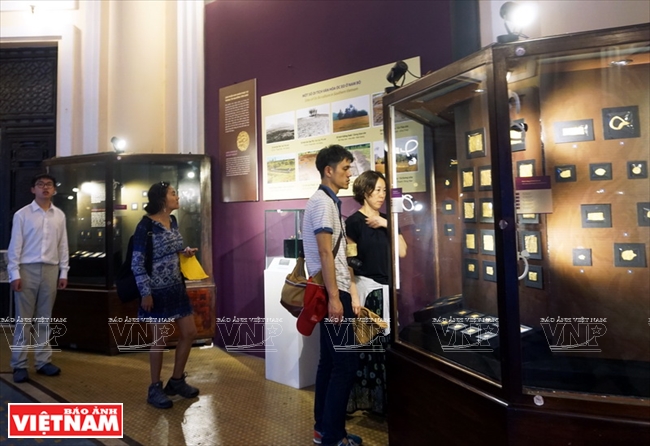
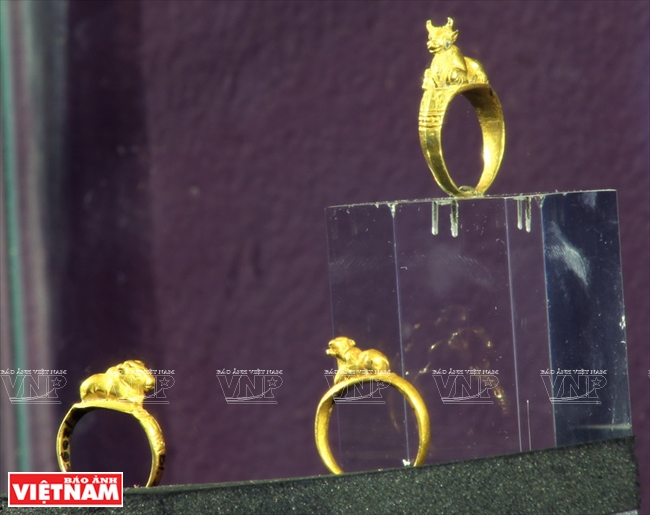
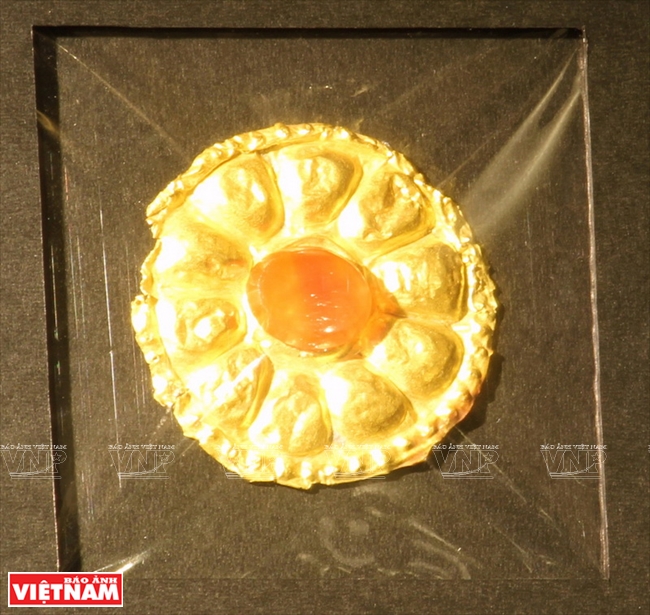
The treasures and jewelry of the Oc Eo culture, the proof of the golden age of Phu Nam kingdom dating back nearly 2,000 years, have been recently displayed in an exhibition entitled “Treasures of the ancient kingdom – Art of the Oc Eo goldsmiths and jewelers” at the Museum of Vietnamese History in Ho Chi Minh City.
The Phu Nam Kingdom and Oc Eo Civilization
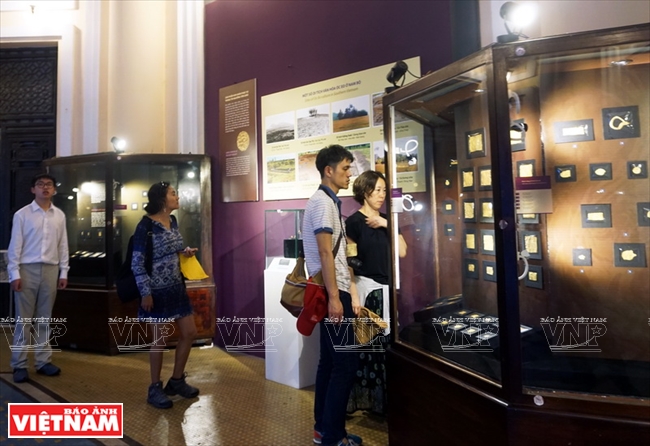
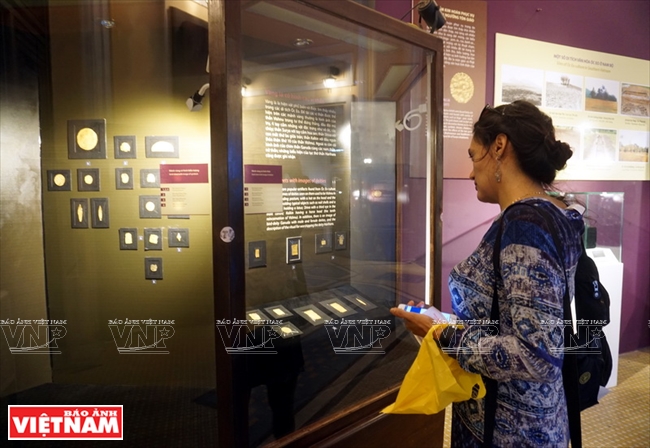
The exhibition “Treasures of the ancient kingdom – Art of Oc Eo goldsmiths and jewelers” attracts a lot of visitors
Flourishing between the first and the seventh century, the Phu Nam kingdom covered a large area of the southern plain and hosted Oc Eo culture in An Giang province.
After being forgotten and buried for thousands of years, traces of Oc Eo culture were discovered on an Oc Eo port site in An Giang.
Proof of a Golden Age
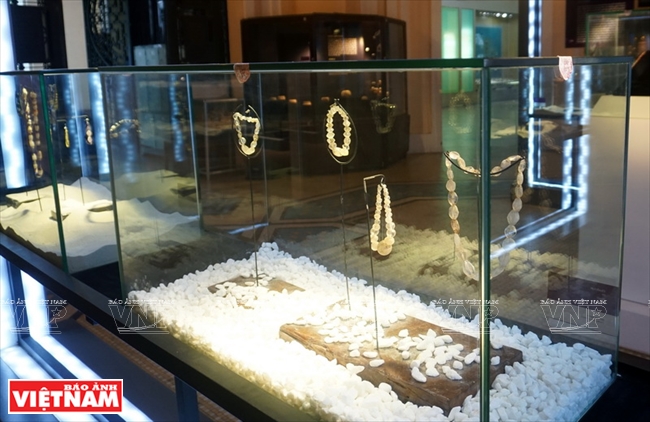
Oc Eo treasures and jewelry are proof of the golden age of the Phu Nam kingdom dating back nearly 2,000 years.
Oc Eo treasures and jewelry are proof of the golden age of the Phu Nam kingdom dating back nearly 2,000 years.
Journey into Ancient Culture
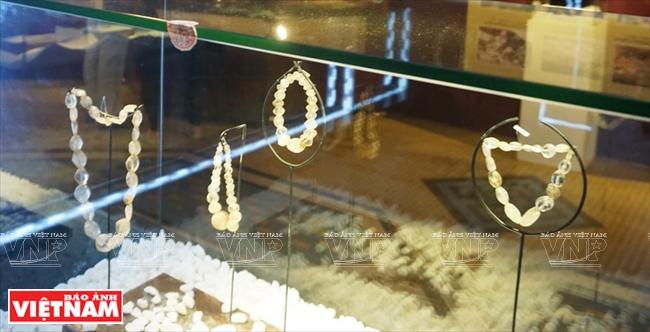
Exploring the ancient Oc Eo culture
Archaeological Discoveries in 1944
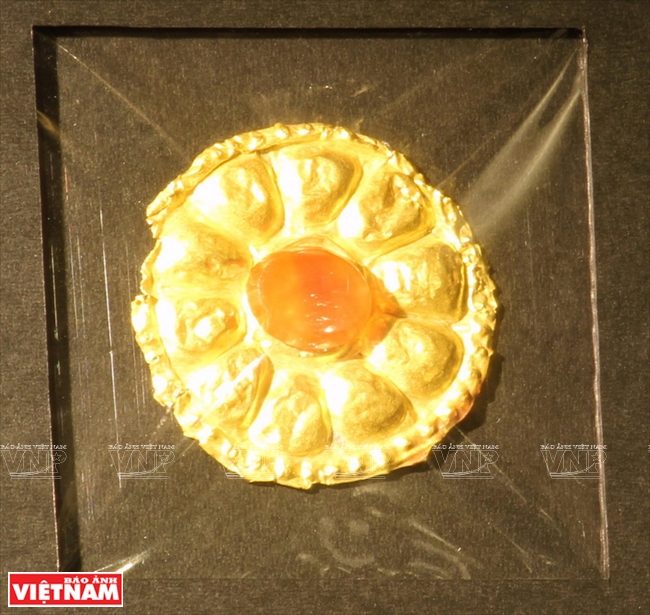
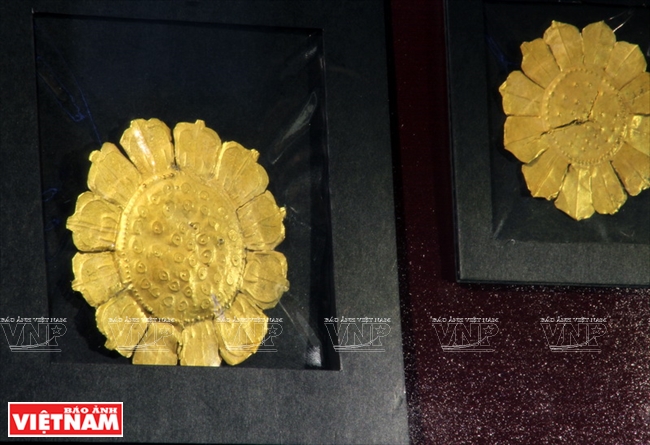
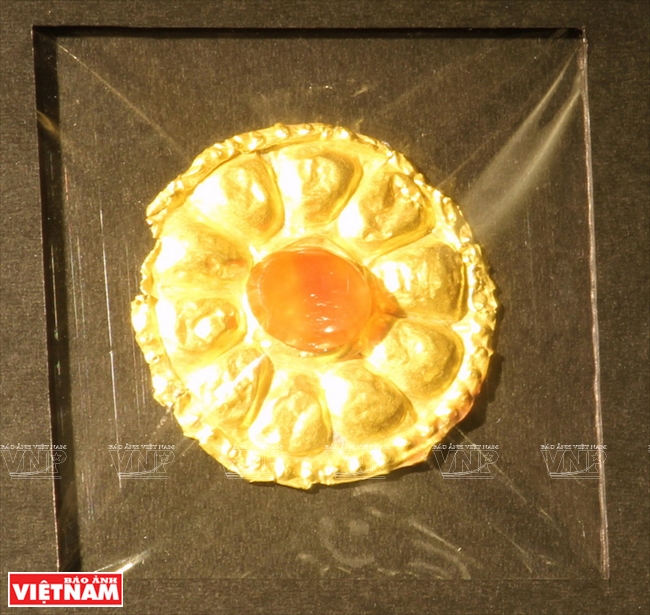
Lotus-patterned gold.
In 1944, French archaeologist Louis Malleret, with his colleagues from the French School of the Far East, carried out excavations at the site.
They discovered objects offering proof of a flourishing civilization and well-developed trade with other areas in Southeast Asia.
Advanced Craftsmanship of Oc Eo Civilization
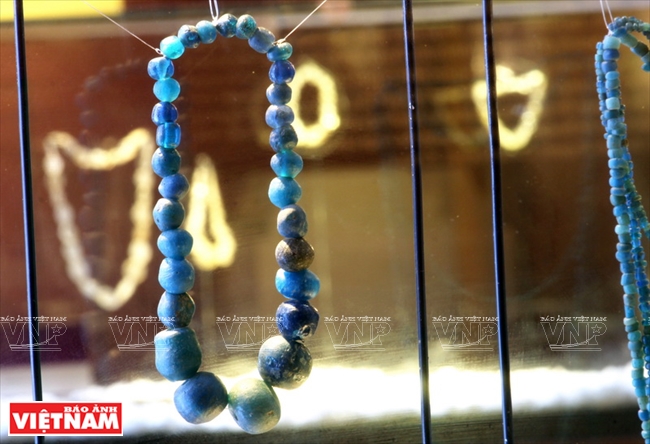
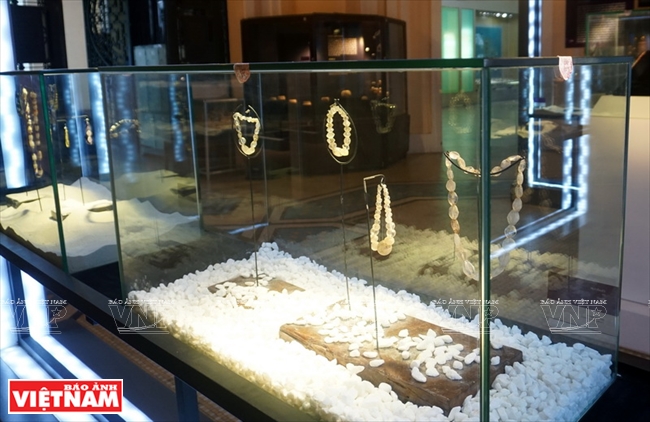
Beautiful jewelry
The civilization produced many handicrafts, including ceramics, as well as the ability to refine copper, iron and tin, along with creating silver and gold jewelry. Statues were also unearthed.
Thousands of Artifacts Unearthed
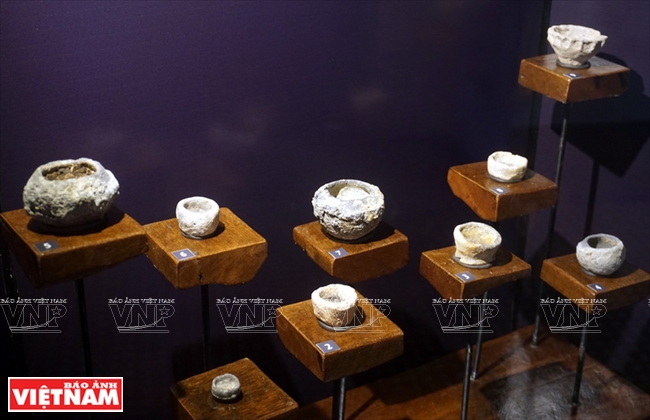
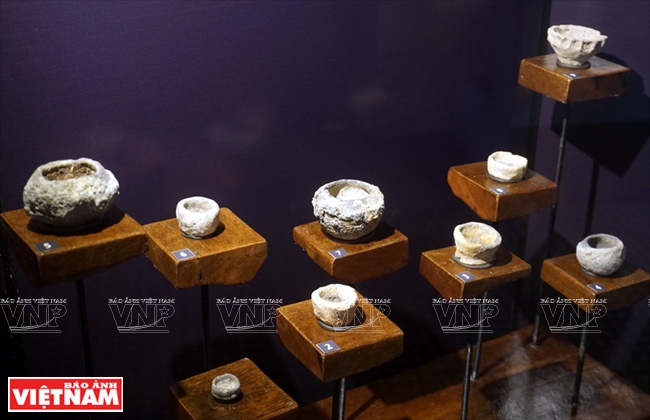
A corner displaying ceramic pots
Tens of thousands of ancient Oc Eo artifacts of gems, brass, ceramic, and precious metals were discovered in some 90 relics.
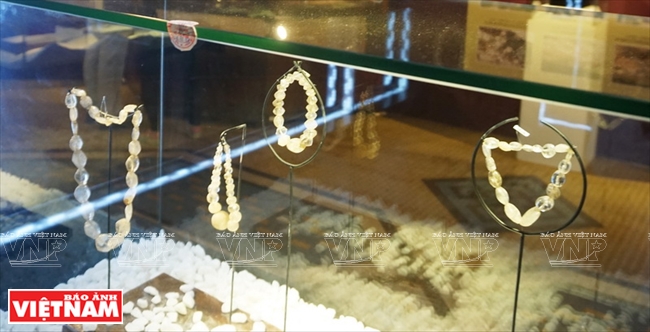
The jewelry displayed at the exhibition “Treasures of the ancient kingdom – Art of the Oc Eo goldsmiths and jewelers” are sophisticated with great artistic value. They are also diverse in type and design.
Artistic Value and Cultural Exchange
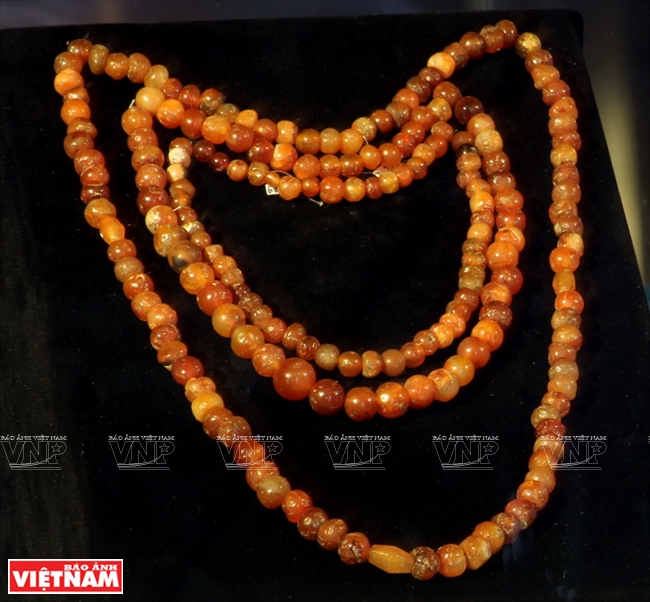
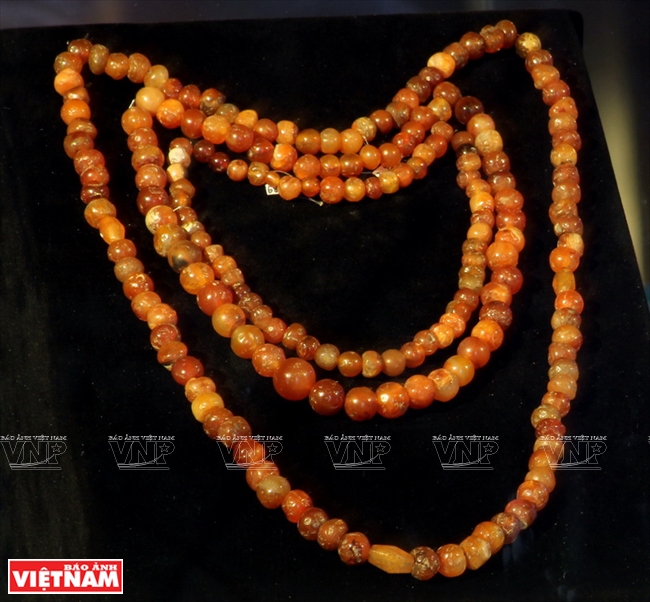
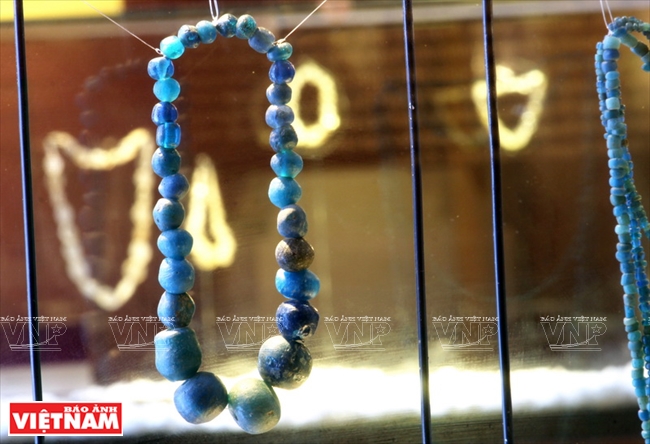
Gems on a beaded necklace show great artistic taste.
Artisans of the Oc Eo culture had grand artistic taste and reached an expert level of skillfulness.
The details and patterns on the jewelry showed the typical characteristics of the Oc Eo culture which was intermingled with other cultures in Southeast Asia.
Religious Influences: Hinduism and Buddhism
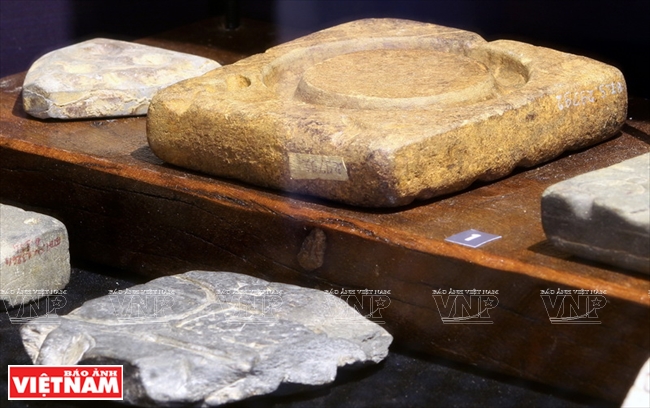
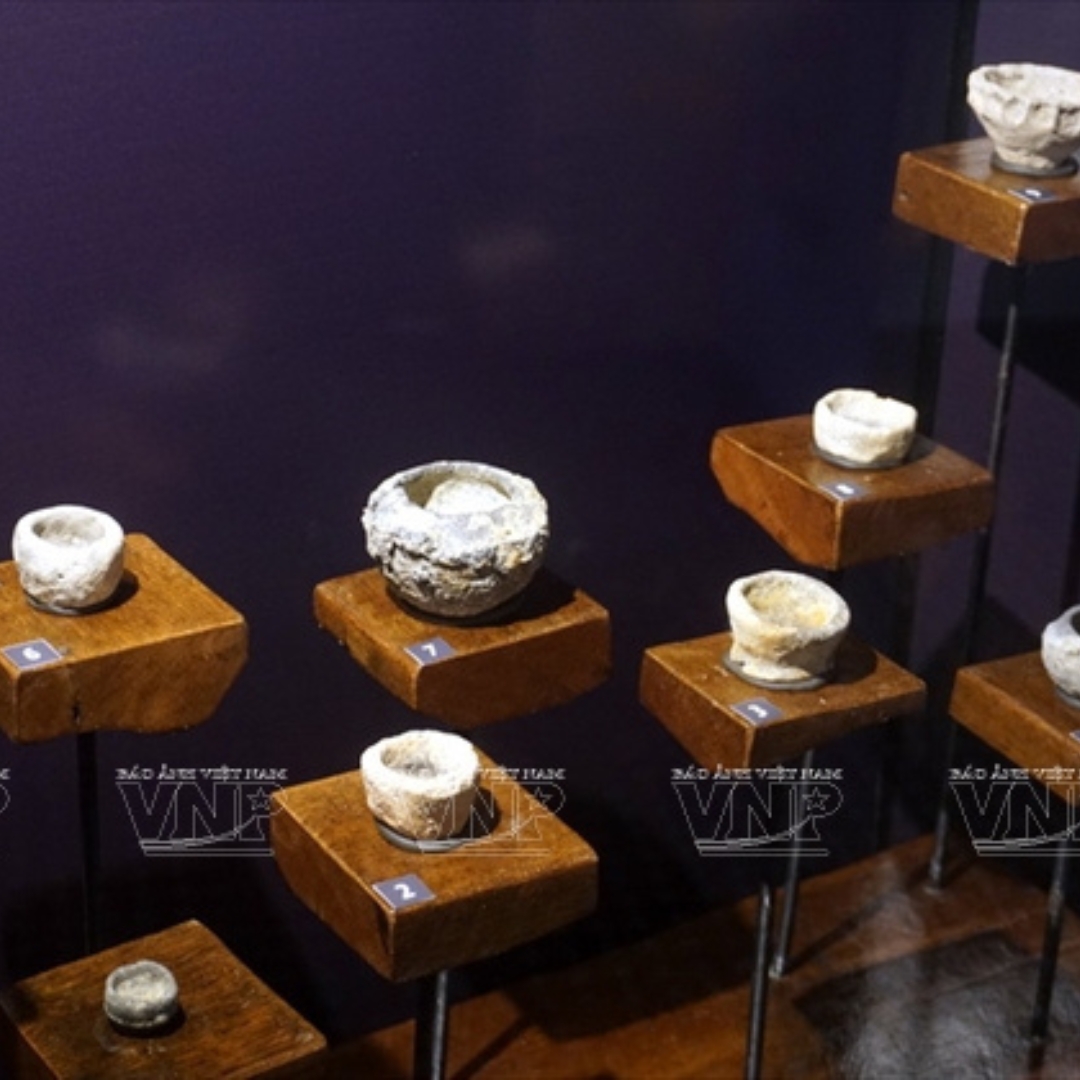
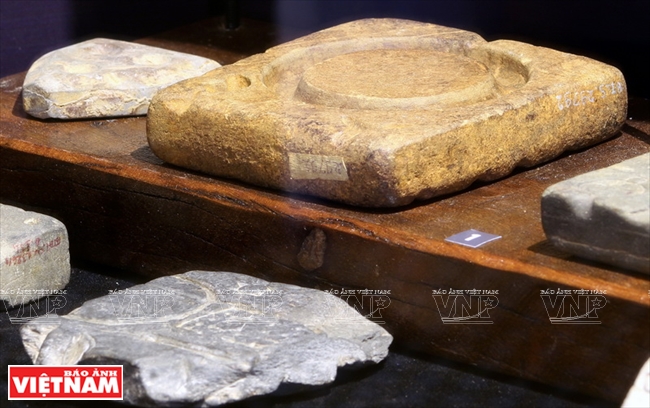
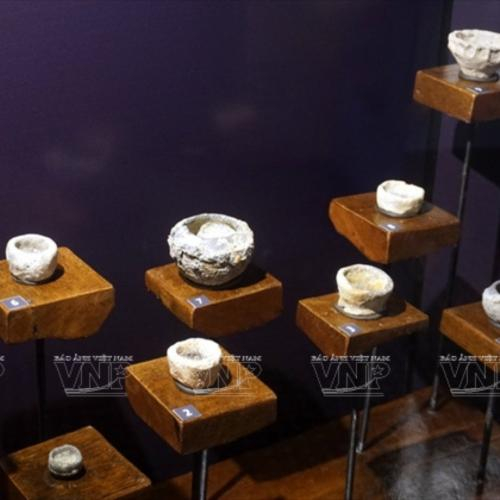
Molds for making jewelry
Visitors to the exhibition can explore the original culture of Oc Eo from the displayed artifacts which bear traces of Hinduism and Buddhism.
Visitor’s Impression
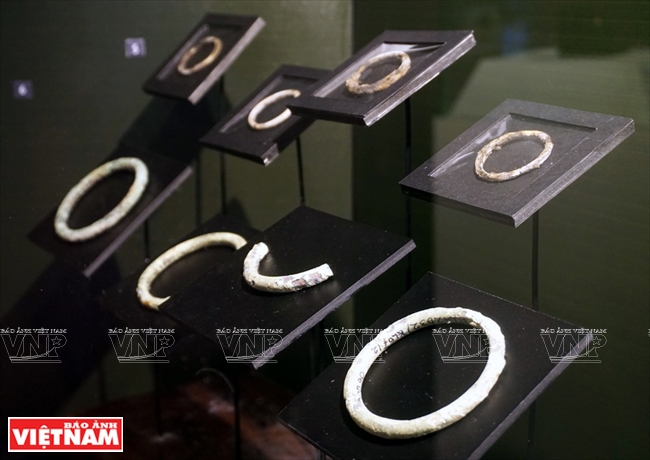
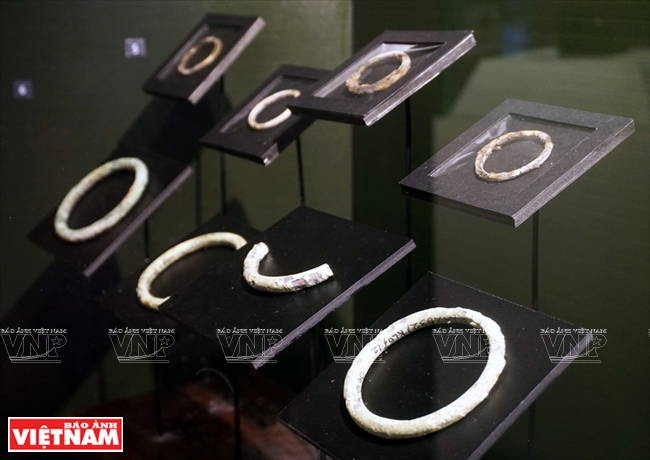
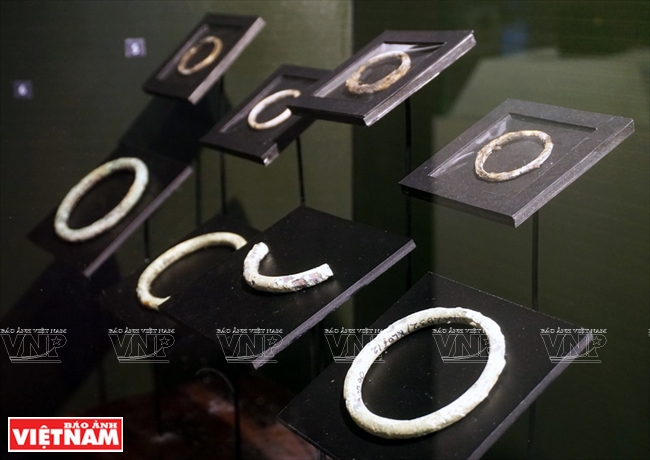
Gems on bracelets
Peter Ankersen, a Danish visitor, said he was interested in learning about different cultures, especially those of Southeast Asian nations.
The objects displayed in the exhibition were valuable and impressed him very much artistically. They helped him understand the Oc Eo culture of people living centuries ago.
Types of Artifacts on Display
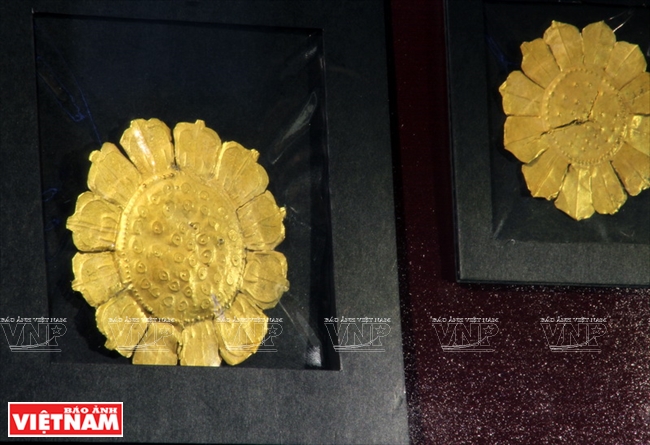
Lotus-patterned gold
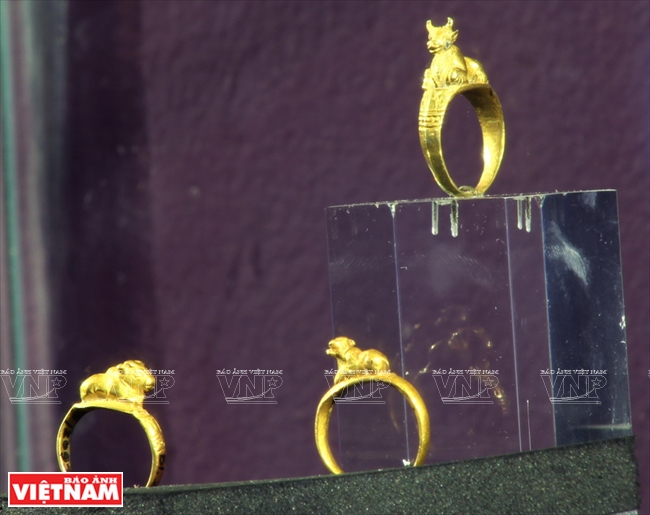
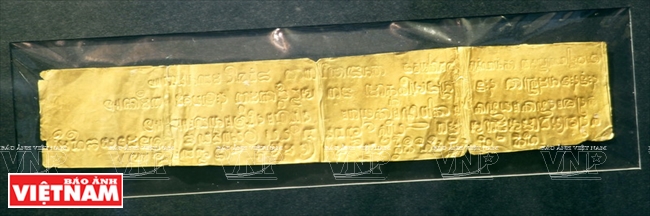
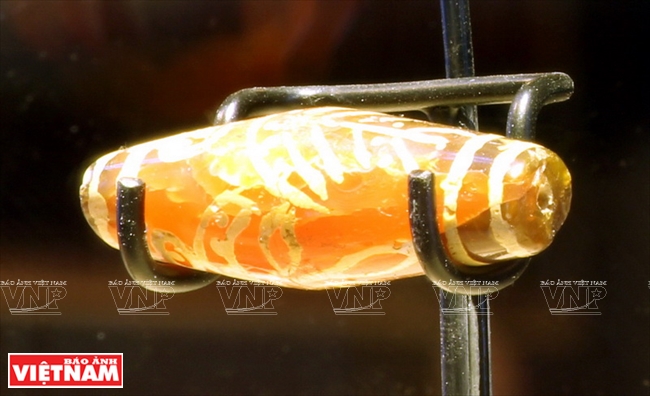
The artifacts on display are divided into two groups: One of gold and silver religious objects, including linga and yoni, and snail and turtle symbols, and thin gold sheets; and the other of jewelry, including rings, earrings, and beads.
Image Highlights
Gems on bracelets
Gold rings
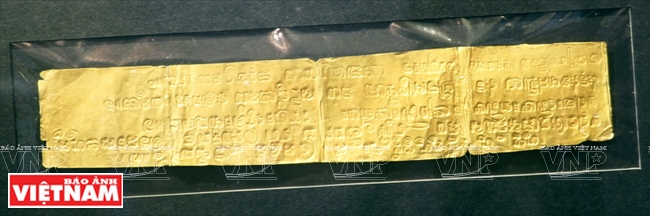
A gold sheet
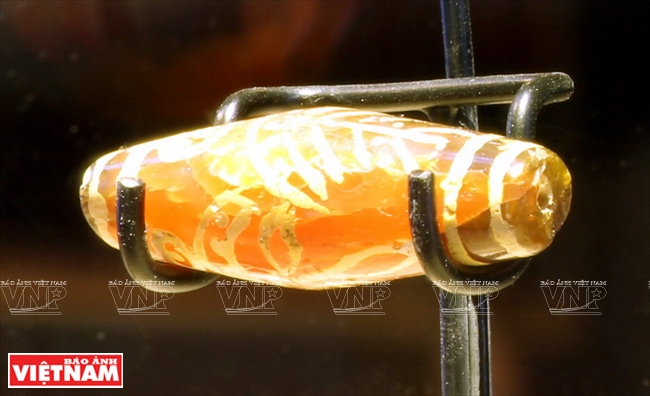
A sophisticated bead
Gold jewelry of the Oc Eo
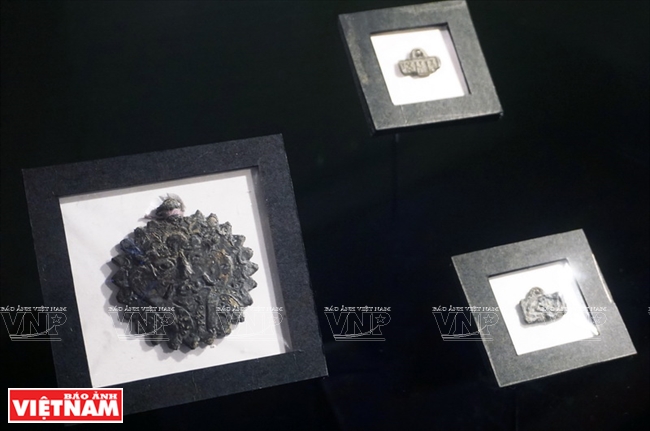
Metal amulets
Source of citation from VIETNAM pictorial

 AnGiangPromotion.com |
16/03/2026 09:50
AnGiangPromotion.com |
16/03/2026 09:50
 AnGiangPromotion.com |
16/03/2026 09:34
AnGiangPromotion.com |
16/03/2026 09:34
 AnGiangPromotion.com |
22/11/2025 15:09
AnGiangPromotion.com |
22/11/2025 15:09
 AnGiangPromotion.com |
21/11/2025 22:52
AnGiangPromotion.com |
21/11/2025 22:52
 AnGiangPromotion.com |
21/11/2025 20:53
AnGiangPromotion.com |
21/11/2025 20:53
 AnGiangPromotion.com |
21/11/2025 20:36
AnGiangPromotion.com |
16/03/2026 09:34
AnGiangPromotion.com |
22/11/2025 15:09
AnGiangPromotion.com |
21/11/2025 22:52
AnGiangPromotion.com |
21/11/2025 20:53
AnGiangPromotion.com |
21/11/2025 20:36
AnGiangPromotion.com |
16/03/2026 09:34
AnGiangPromotion.com |
22/11/2025 15:09
AnGiangPromotion.com |
21/11/2025 20:53
AnGiangPromotion.com |
16/03/2026 09:34
AnGiangPromotion.com |
21/11/2025 20:36
AnGiangPromotion.com |
16/03/2026 09:34
AnGiangPromotion.com |
22/11/2025 15:09
AnGiangPromotion.com |
21/11/2025 22:52
AnGiangPromotion.com |
21/11/2025 20:53
AnGiangPromotion.com |
21/11/2025 20:36
AnGiangPromotion.com |
16/03/2026 09:34
AnGiangPromotion.com |
22/11/2025 15:09
AnGiangPromotion.com |
21/11/2025 20:53
AnGiangPromotion.com |
16/03/2026 09:34









































.png)
.png)

.png)


































































.jpg)

.jpg)
.jpg)


.jpg)







.jpg)















.jpg)







.png)


.png)
.png)
.png)
.png)




.png)







.png)

.png)

.png)




.png)





























.jpg)
.jpg)



























.png)
















.png)






.jpg)













.png)





![[WS13] NB // MC - Làm chủ sân khấu](https://netid.vn/datafiles/18/2023-11/thumbs-56502092-IMG_1068.jpeg)









.png)
.png)
.png)



















 of thông bao.jpg)